
Parenting comes with endless questions — How do I help my child calm down after a meltdown? What do I say when they feel sad? How do I explain anger without making it scary?
The truth is, emotions are tough to navigate — not just for kids, but for us grown-ups too. That’s why introducing children to stories about feelings is one of the most powerful tools we can give them. Books provide a safe space for kids to see their emotions reflected, learn words for what they’re feeling, and discover healthy ways to cope.
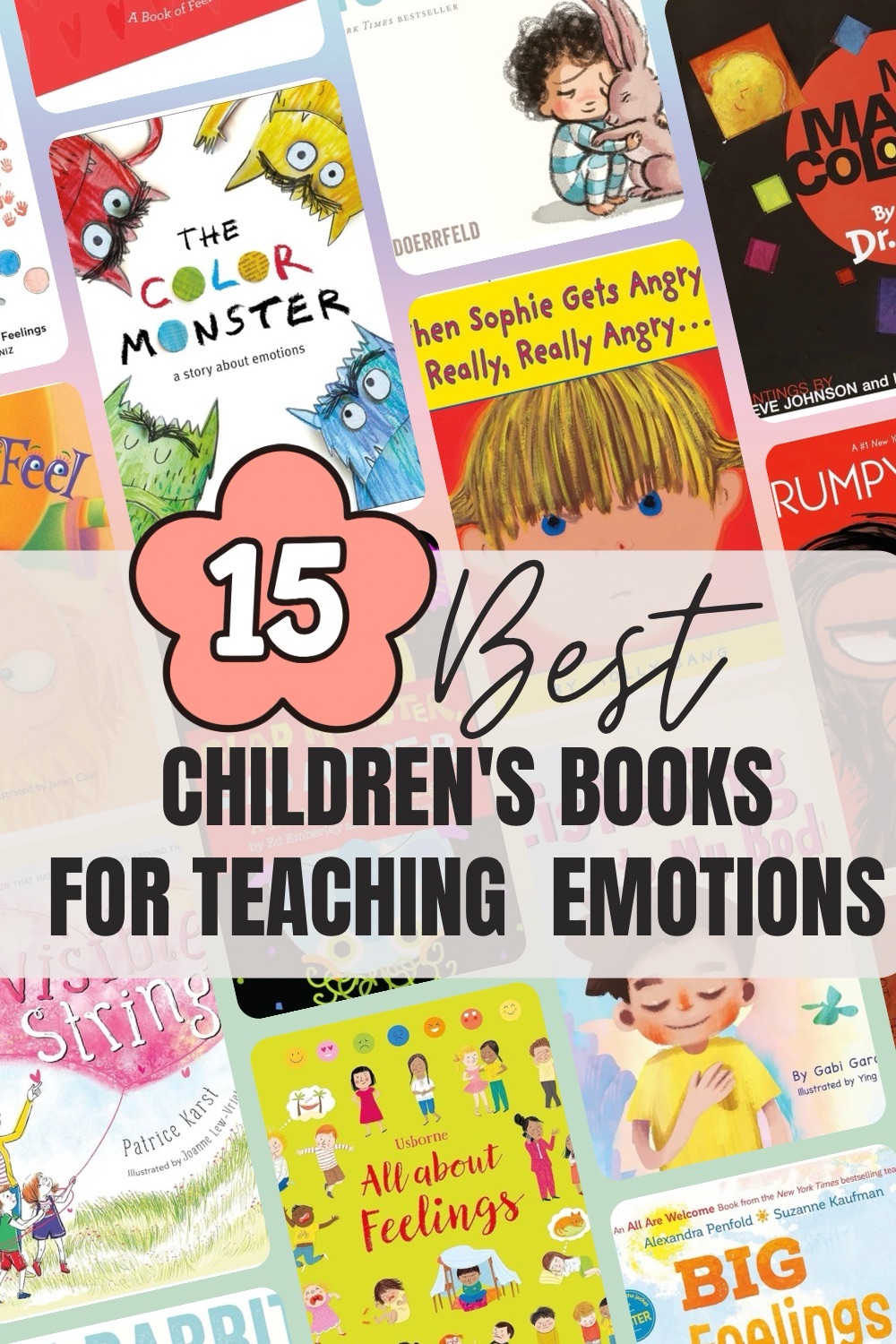
In this post, I’m sharing 15 of the best children’s books about emotions — beloved by parents, teachers, and therapists alike. Whether your child is 2 or 10, these books are gentle guides to understanding the messy, beautiful world of feelings.

Why Books About Emotions Matter
📚 Kids need language for feelings. Without it, frustration often turns into tantrums or shutdowns.
💛 Stories make emotions less scary. Seeing a character get angry or sad helps children realize they’re not alone.
🌱 Books spark conversations. Reading about feelings opens the door for kids to share their own experiences.
✨ Repetition builds understanding. Every time we reread, kids internalize lessons about empathy, resilience, and self-regulation.
The Best Children’s Books for Understanding Emotions
1. The Color Monster by Anna Llenas

A vibrant introduction to feelings through colors — yellow for happiness, blue for sadness, red for anger. Perfect for toddlers and preschoolers just starting to recognize emotions.
💡 Best for ages 3–7.
2. In My Heart: A Book of Feelings by Jo Witek

A heart-shaped cutout leads kids through joy, bravery, sadness, and shyness in lyrical language. The design makes this one a keepsake.
💡 Best for ages 3–8.
3. The Rabbit Listened by Cori Doerrfeld

A tender story that shows the power of simply listening when someone is upset. It’s a lesson in empathy every child (and adult) needs.
💡 Best for ages 2–6.
4. When Sophie Gets Angry—Really, Really Angry by Molly Bang

This classic story validates anger while modeling calming strategies like retreating to nature. A must-read for kids prone to big outbursts.
💡 Best for ages 3–7.
5. Today I Feel…: An Alphabet of Feelings by Madalena Moniz

An A–Z guide to emotions with whimsical art — expanding vocabulary beyond “happy,” “sad,” and “mad.”
💡 Best for ages 4–8.
6. My Many Colored Days by Dr. Seuss

A playful but profound Dr. Seuss title that pairs emotions with animals and colors. The rhythm keeps kids engaged while making feelings approachable.
💡 Best for ages 3–7.
7. A Little Spot of Emotion Series by Diane Alber

From A Little Spot of Anger to A Little Spot of Anxiety, this series breaks down tough emotions into bite-sized, kid-friendly explanations.
💡 Best for ages 4–10.
8. The Way I Feel by Janan Cain

Bold illustrations paired with simple text make this a timeless classic for teaching feelings in early childhood.
💡 Best for ages 3–6.
9. Grumpy Monkey by Suzanne Lang

A funny yet meaningful book about accepting grumpy moods without needing to “fix” them right away.
💡 Best for ages 3–7.
10. Glad Monster, Sad Monster by Ed Emberley & Anne Miranda

This interactive book comes with masks kids can use to roleplay different feelings. A fun hands-on approach to emotions.
💡 Best for ages 3–8.
11. Listening to My Body by Gabi Garcia

Helps kids connect physical sensations with emotions — a great introduction to mindfulness and self-awareness.
💡 Best for ages 5–10.
12. The Invisible String by Patrice Karst

A beautiful story about love and connection, especially comforting for kids dealing with separation anxiety, grief, or change.
💡 Best for ages 4–10.
13. The Day You Begin by Jacqueline Woodson

A heartfelt book about feeling different, left out, or shy — and the courage it takes to connect with others.
💡 Best for ages 5–9.
14. All About Feelings (Usborne Books)

Packed with illustrations and scenarios that help kids recognize emotions in themselves and others.
💡 Best for ages 4–9.
15. Big Feelings by Alexandra Penfold & Suzanne Kaufman

A diverse cast of children work through frustration, disappointment, and teamwork. Simple but powerful.
💡 Best for ages 3–7.
Tips for Parents: Making the Most of Emotion Books
- Pause and Ask: “What do you think he’s feeling?” “Have you ever felt like that?”
- Relate to Real Life: “Remember when you were nervous on the first day of school? That’s like this character.”
- Model Your Feelings: Share your own emotions while reading. (“I feel calm when I listen to music, just like Sophie.”)
- Keep Books Accessible: Place them in cozy reading nooks so kids can revisit them independently.
Final Thoughts
Teaching kids about emotions doesn’t have to be complicated. Sometimes all it takes is the right story, the right character, and a few minutes together on the couch. These books don’t just teach feelings — they build empathy, confidence, and resilience that will carry your child through life.
So next time your child struggles to explain how they feel, try reaching for one of these books. You may be surprised at how much a simple story can open the door to big, important conversations.
💬 Your Turn:
Which of these books have you read with your child? Do you have a favorite that helped your little one name or manage their feelings? Share your recommendations in the comments — let’s build a library of emotional wisdom together.




Leave a Reply